

Why North Korea and Russia Are Growing Closer Amid Rising Global Tensions
North Korea and Russia are strengthening military, economic, and strategic ties, raising concerns about regional security and global geopolitical stability. Here's what it means.
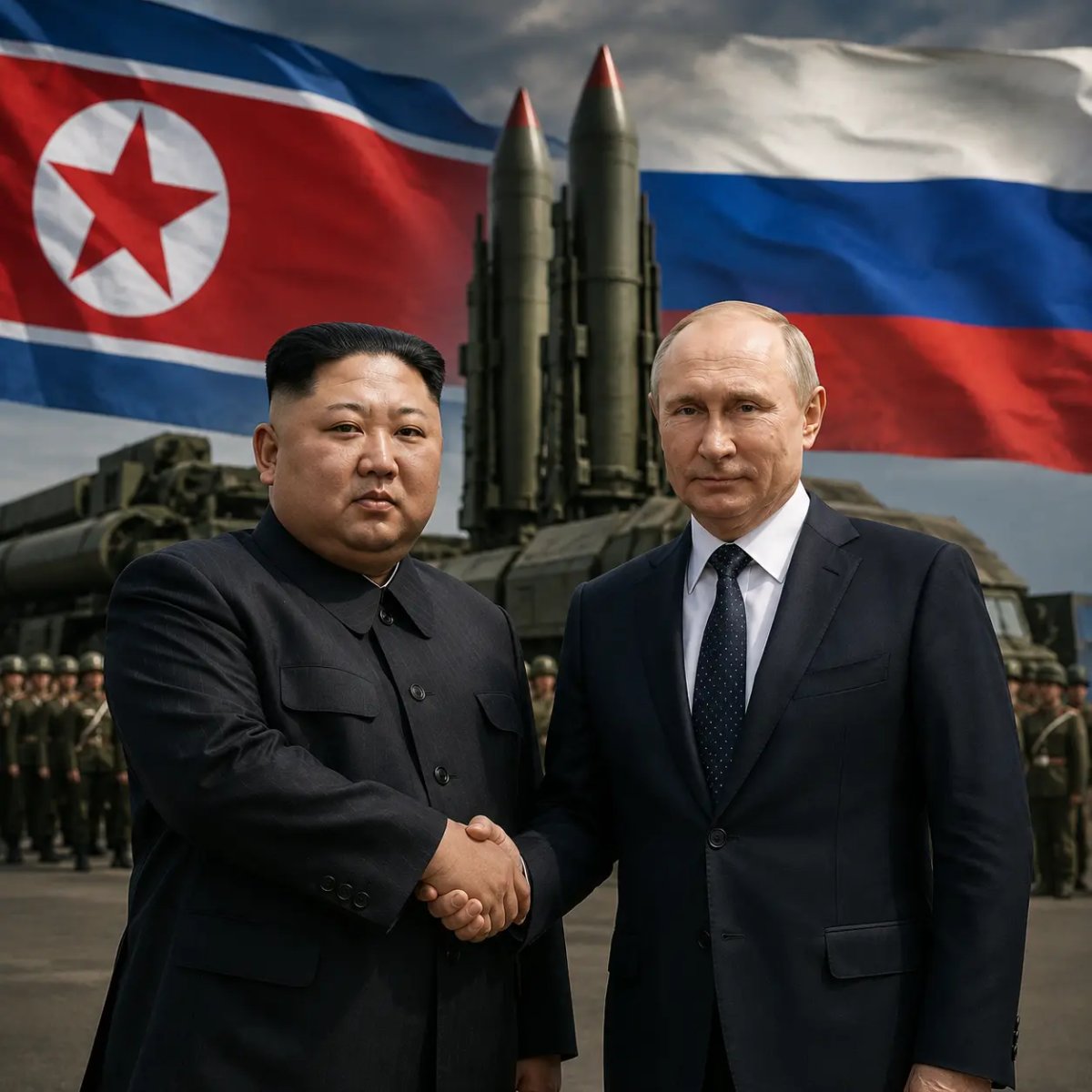
The evolving relationship between North Korea and Russia has become one of the most closely watched geopolitical developments in recent years. Once characterized by periodic diplomatic engagement and limited economic cooperation, ties between Pyongyang and Moscow have expanded into a broader partnership encompassing military, strategic, economic, and political dimensions.
North Korean leader Kim Jong Un's recent reaffirmation of closer relations with Russia has once again drawn international attention. The deepening cooperation comes at a time when both countries face significant pressure from Western governments, creating incentives for greater coordination on regional and global issues.
For policymakers, security analysts, and investors tracking geopolitical risk, the growing alignment between North Korea and Russia represents more than a bilateral relationship. It reflects broader shifts in international politics, changing power dynamics, and emerging security challenges that could influence stability in Asia, Europe, and beyond.
A Relationship Shaped by History
The foundations of North Korea-Russia relations stretch back decades.
During the Cold War, the Soviet Union played a crucial role in supporting North Korea politically, economically, and militarily. Moscow's backing helped shape the development of the North Korean state following the Korean War and contributed significantly to Pyongyang's industrial and defense capabilities.
The collapse of the Soviet Union in 1991 altered the relationship dramatically. Russia shifted its foreign policy priorities, improved relations with South Korea, and reduced support for North Korea. As a result, bilateral ties weakened considerably throughout the 1990s and early 2000s.
However, geopolitical developments over the past decade have gradually encouraged renewed engagement.
As tensions between Russia and Western nations increased and North Korea remained heavily isolated by international sanctions, both governments found strategic reasons to strengthen cooperation.
Today, the relationship appears to be entering a new phase characterized by increased diplomatic interaction, high-level meetings, and expanded strategic coordination.
Why the Partnership Is Expanding
Several factors help explain why Moscow and Pyongyang have moved closer together.
Shared Opposition to Western Pressure
One of the most significant drivers is a common perception of pressure from the United States and its allies.
Russia has faced extensive sanctions and diplomatic isolation from Western governments over recent geopolitical disputes. North Korea has long operated under international sanctions related to its nuclear weapons and ballistic missile programs.
While the circumstances differ, both countries frequently criticize what they describe as Western-led attempts to influence their security and political decisions.
This shared perspective has created opportunities for diplomatic alignment in international forums and bilateral discussions.
Strategic Necessity
International relations often evolve based on practical considerations rather than ideological similarities.
For Russia, maintaining relationships with countries outside the Western sphere has become increasingly important as geopolitical competition intensifies.
For North Korea, stronger ties with a major power can provide political support, economic opportunities, and strategic leverage.
As a result, cooperation has expanded in areas where both sides perceive mutual benefits.
Regional Security Considerations
Security dynamics in Northeast Asia also contribute to closer ties.
The region remains one of the most militarized areas in the world, involving major powers including China, Russia, the United States, Japan, and South Korea.
Military exercises, missile defense systems, alliance commitments, and territorial disputes all influence strategic calculations.
In this environment, both Moscow and Pyongyang may view closer coordination as a way to strengthen their positions amid shifting regional security arrangements.
Military Cooperation Draws Global Attention
Perhaps the most scrutinized aspect of the relationship involves military cooperation.
Western governments and security analysts have increasingly focused on reports of defense-related interactions between the two countries.
While details often remain difficult to independently verify, concerns center on the possibility of expanded military coordination, technology exchanges, logistics support, and defense cooperation.
Such developments attract international attention because they could influence military balances in multiple regions.
For North Korea, access to advanced technologies or expertise could potentially enhance existing defense capabilities.
For Russia, cooperation may offer practical advantages in areas where mutual interests align.
These concerns have prompted calls from several governments for increased monitoring and diplomatic engagement aimed at preventing regional instability.
Economic Cooperation and Trade Opportunities
Although military issues dominate headlines, economics also plays an important role in the growing relationship.
Both countries face restrictions that complicate international trade and investment. Expanding bilateral economic activity can therefore provide alternative avenues for cooperation.
Potential areas of engagement include:
- Transportation infrastructure
- Energy projects
- Agricultural trade
- Labor arrangements
- Logistics networks
- Border-region development
Historically, economic cooperation between Russia and North Korea has remained limited compared to larger regional trade relationships. However, recent diplomatic momentum has encouraged discussions about expanding commercial engagement where feasible.
Improved transportation links and border infrastructure could facilitate greater movement of goods and services between the two countries.
For North Korea, access to additional economic opportunities may help ease some constraints created by international isolation.
For Russia, engagement with neighboring states can support broader regional development strategies in the Russian Far East.
The China Factor
No analysis of North Korea-Russia relations would be complete without considering China.
China remains North Korea's most important economic partner and one of its most influential diplomatic relationships. Beijing also maintains a complex and strategically significant partnership with Moscow.
The triangular relationship among China, Russia, and North Korea has attracted growing attention from geopolitical analysts.
While each country pursues its own national interests, overlapping concerns about regional security, economic stability, and global power dynamics often create areas of alignment.
At the same time, differences in priorities and strategic objectives mean that the relationship is not necessarily a formal alliance structure.
Understanding these nuances is essential for assessing future developments in Northeast Asia.
Impact on the Korean Peninsula
The strengthening relationship between Russia and North Korea has significant implications for the Korean Peninsula.
South Korea closely monitors developments involving North Korea's diplomatic and military activities. Any indication of expanded strategic support for Pyongyang can influence security planning in Seoul.
The United States, which maintains a longstanding alliance with South Korea, also views developments through the lens of regional deterrence and stability.
Japan has similarly expressed concerns about North Korea's missile and nuclear programs, making regional security cooperation an ongoing priority.
As a result, deeper Russia-North Korea ties could affect diplomatic calculations among multiple governments.
Potential consequences include:
- Increased regional military preparedness
- Expanded security consultations among allies
- Greater emphasis on deterrence strategies
- New diplomatic initiatives aimed at reducing tensions
The ultimate impact will depend on the scale and nature of future cooperation between Moscow and Pyongyang.
Global Implications Beyond Asia
The significance of Russia-North Korea relations extends beyond Northeast Asia.
The relationship has become part of a broader discussion about how global power structures are evolving in the twenty-first century.
Many analysts argue that international politics is increasingly characterized by competition among major powers, shifting alliances, and efforts by countries to diversify their diplomatic and economic partnerships.
In this context, closer cooperation between Russia and North Korea may be viewed as part of a larger trend in which states seek alternative relationships outside traditional Western-led frameworks.
This trend has implications for:
- International diplomacy
- Sanctions enforcement
- Security cooperation
- Arms control discussions
- Global governance institutions
As geopolitical competition continues, relationships that once received limited attention may become increasingly important to understanding broader international developments.
Challenges Facing the Partnership
Despite growing ties, the relationship is not without challenges.
Economic Constraints
Both countries face economic limitations that could restrict the scope of future cooperation.
Infrastructure gaps, financial restrictions, and sanctions-related complications can create practical obstacles to large-scale economic engagement.
International Scrutiny
The partnership remains under close observation from governments and international organizations.
Any activities perceived as violating international regulations could trigger additional diplomatic tensions or policy responses.
Differing National Interests
Even when countries cooperate closely, their interests do not always align perfectly.
Russia and North Korea maintain distinct foreign policy objectives, security priorities, and economic goals.
Managing these differences will be important if both sides seek to sustain long-term cooperation.
What Comes Next?
The future trajectory of North Korea-Russia relations will depend on multiple factors, including regional security conditions, global geopolitical developments, economic opportunities, and domestic priorities within both countries.
Observers will likely watch for signs of:
- Additional high-level diplomatic meetings
- New economic agreements
- Infrastructure initiatives
- Expanded security cooperation
- Joint political statements on international issues
The pace of these developments could provide important clues about the depth and durability of the partnership.
The Bigger Picture
The growing relationship between North Korea and Russia highlights how geopolitical realities continue to evolve in response to changing global conditions. What was once viewed as a relatively limited bilateral relationship is increasingly becoming a factor in broader discussions about international security, regional stability, and strategic competition.
For governments, businesses, and analysts, the significance lies not only in the actions of Moscow and Pyongyang themselves but also in how other nations respond. The relationship intersects with major issues ranging from sanctions policy and military deterrence to economic cooperation and diplomatic engagement.
As global power dynamics continue to shift, closer North Korea-Russia ties are likely to remain a major subject of international scrutiny. Whether the partnership develops into a deeper strategic alignment or remains primarily a pragmatic relationship of mutual convenience, its influence on regional and global affairs will continue to be closely watched in the years ahead.
What's Your Reaction?
 Like
0
Like
0
 Dislike
0
Dislike
0
 Love
0
Love
0
 Funny
0
Funny
0
 Wow
0
Wow
0
 Sad
0
Sad
0
 Angry
0
Angry
0

The Excuse Alliance is an independent digital news platform covering India’s latest developments in politics, business, technology, society, economy, and public affairs. Our mission is to provide accurate, fact-based, and trustworthy journalism that keeps readers informed about the issues shaping India.






Comments (0)