The Anti-Paper Leak Bill: Will It End Exam Scandals in India?
India's Anti-Paper Leak Bill aims to tackle exam fraud through tougher penalties, fast-track courts, and special investigations. Can it restore student trust and stop future scandals?
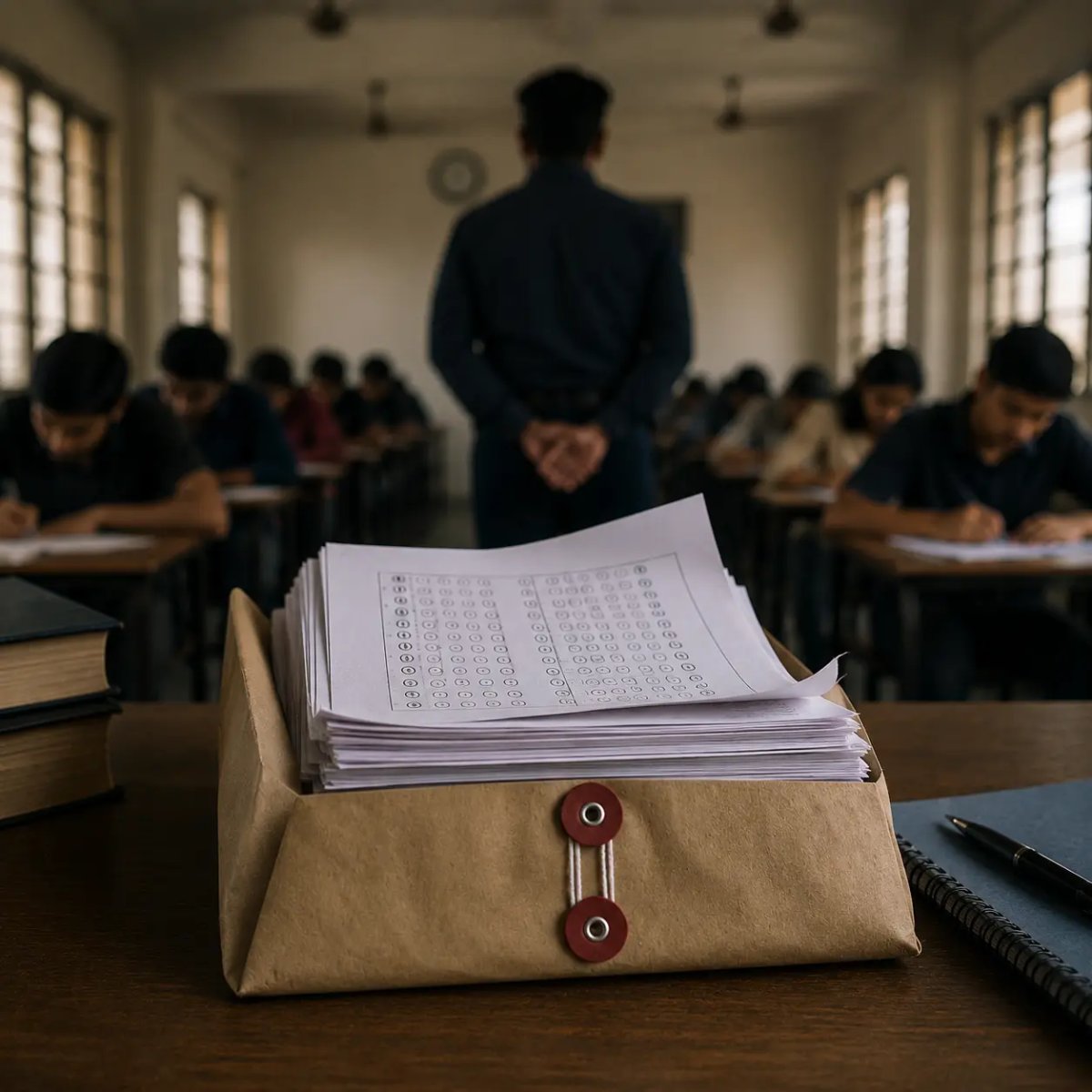
For millions of students across India, competitive examinations are more than tests—they are gateways to higher education, government jobs, and career opportunities. Yet in recent years, recurring paper leak scandals have repeatedly shaken confidence in the examination system, leaving students frustrated and questioning whether merit alone determines success.
Against this backdrop, the Centre has pushed forward stronger anti-cheating legislation through amendments to the Public Examinations (Prevention of Unfair Means) Act, 2024, commonly referred to as the "Anti-Paper Leak Bill." The proposed reforms seek to tighten enforcement, speed up investigations, and impose harsher penalties on those involved in examination fraud.
But the key question remains: Will stricter laws finally end India's exam paper leak scandals?
Why Paper Leaks Have Become a National Concern
India conducts thousands of public examinations every year, ranging from recruitment tests and entrance exams to professional and competitive assessments.
In recent years, several major examinations have faced allegations of question paper leaks, organized cheating networks, impersonation, and digital manipulation. These incidents have affected millions of candidates and led to cancelled examinations, delayed recruitment processes, legal battles, and public protests.
For students, the consequences are often severe.
Months or even years of preparation can be disrupted when an examination is cancelled due to malpractice. Many candidates incur coaching expenses, travel costs, and emotional stress while waiting for fresh examination dates.
Education experts say repeated scandals can undermine trust in the fairness of the examination system itself.
What Is the Anti-Paper Leak Bill?
The proposed legislation builds upon the Public Examinations (Prevention of Unfair Means) Act, 2024, which came into force to combat organized cheating and examination-related fraud. The law was introduced following growing concerns over paper leaks and unfair practices affecting public examinations across the country.
The law defines a wide range of unfair means, including:
- Question paper leaks
- Distribution of answer keys before examinations
- Candidate impersonation
- Unauthorized assistance during exams
- Tampering with computer systems
- Conducting fake examinations
- Manipulation of merit lists and rankings
The latest amendment seeks to strengthen these provisions further by creating dedicated investigative mechanisms and accelerating legal proceedings against offenders.
Key Provisions of the New Bill
The proposed reforms introduce several major measures designed to deter examination fraud.
Special Task Forces
One of the most significant proposals is the creation of specialized investigative teams focused exclusively on examination-related crimes.
Authorities argue that dedicated units can help identify organized cheating networks more effectively than traditional policing methods. Recently, Delhi Police established a Special Task Force to investigate examination-related offences involving major national-level exams.
Fast-Track Courts
The amendment proposes special fast-track courts for paper leak and examination fraud cases.
Supporters believe quicker trials could serve as a stronger deterrent by ensuring offenders face timely punishment rather than prolonged legal proceedings.
Tougher Penalties
The legislation proposes harsher punishments, including long prison terms, substantial fines, and property seizure in serious cases involving organized examination fraud. Some offences could attract imprisonment of up to ten years and significant financial penalties.
Time-Bound Investigations
The bill also seeks to establish defined timelines for investigations, reducing delays that often slow down the prosecution of examination-related crimes.
Why Students Are Watching Closely
Students are among the strongest supporters of stricter anti-paper leak measures.
For many aspirants preparing for government recruitment exams, engineering entrance tests, medical admissions, and other competitive examinations, fairness is a critical concern.
Recent examination controversies have triggered widespread protests and public demands for accountability. Student groups have argued that repeated leaks damage the credibility of institutions and create uncertainty for candidates who invest years in preparation.
Many students believe stronger enforcement could help restore confidence in the examination process.
However, some aspirants remain cautious.
Their concern is that new laws alone may not address the deeper administrative weaknesses that often enable paper leaks to occur in the first place.
The Enforcement Challenge
While the legislation introduces tougher punishments, experts note that enforcement will determine its success.
Paper leaks are often highly organized operations involving multiple individuals across different stages of the examination process.
Leaks may occur during:
- Question paper preparation
- Printing operations
- Storage facilities
- Transportation networks
- Digital distribution systems
- Examination center management
Because these networks can involve insiders and sophisticated methods, detection can be difficult.
Investigators often face challenges tracing the source of leaks and gathering sufficient evidence for prosecution. Even when arrests occur, lengthy legal proceedings may delay convictions.
This is one reason why authorities are emphasizing specialized investigative units and faster judicial processes.
Technology as Part of the Solution
Many education experts argue that technology must complement legal reforms.
Potential solutions include:
- Encrypted digital question paper delivery
- Real-time monitoring systems
- Enhanced cybersecurity protections
- Biometric candidate verification
- AI-assisted surveillance during examinations
- Secure digital logistics tracking
Several states and examination agencies have already begun adopting technology-driven safeguards to reduce vulnerabilities.
Experts say combining strong legislation with modern security infrastructure may provide the most effective defense against organized cheating networks.
Critics Say More Reforms Are Needed
Not everyone is convinced the Anti-Paper Leak Bill will fully solve the problem.
Critics argue that paper leaks often reflect broader systemic weaknesses rather than simply gaps in criminal law.
They point out that India already has multiple legal provisions against fraud, cheating, and corruption. The challenge, they argue, is ensuring consistent implementation.
Some education analysts believe reforms should also focus on:
- Improving examination governance
- Increasing institutional accountability
- Strengthening audit mechanisms
- Enhancing staff training
- Modernizing examination infrastructure
Without these broader reforms, critics warn that paper leak networks may simply adapt to new legal risks.
A Test Case for Public Trust
The effectiveness of the Anti-Paper Leak Bill may ultimately be measured not by the severity of its penalties but by whether examination scandals become less frequent.
The recent filing of charges in major examination leak cases and the establishment of dedicated investigative mechanisms demonstrate that authorities are taking the issue seriously.
At the same time, lawmakers continue to debate whether the proposed measures go far enough. Government representatives describe the legislation as a major step toward protecting students, while opposition voices have questioned whether stronger implementation is needed alongside legal reform.
Looking Ahead
For India's students, the stakes could hardly be higher.
Competitive examinations often determine access to education, employment, and long-term career opportunities. Every paper leak not only disrupts schedules but also undermines confidence in a system built on merit.
The Anti-Paper Leak Bill represents one of the country's most significant efforts to address examination fraud through stronger legal action, faster investigations, and tougher punishments. Whether it succeeds will depend on how effectively authorities implement the law and close the vulnerabilities that allow leaks to occur.
For now, students, educators, and policymakers will be watching closely to see whether India's latest examination reform becomes a turning point—or simply another chapter in the long battle against paper leak scandals.
What's Your Reaction?
 Like
0
Like
0
 Dislike
0
Dislike
0
 Love
0
Love
0
 Funny
0
Funny
0
 Wow
0
Wow
0
 Sad
0
Sad
0
 Angry
0
Angry
0

The Excuse Alliance is an independent digital news platform covering India’s latest developments in politics, business, technology, society, economy, and public affairs. Our mission is to provide accurate, fact-based, and trustworthy journalism that keeps readers informed about the issues shaping India.









Comments (0)